
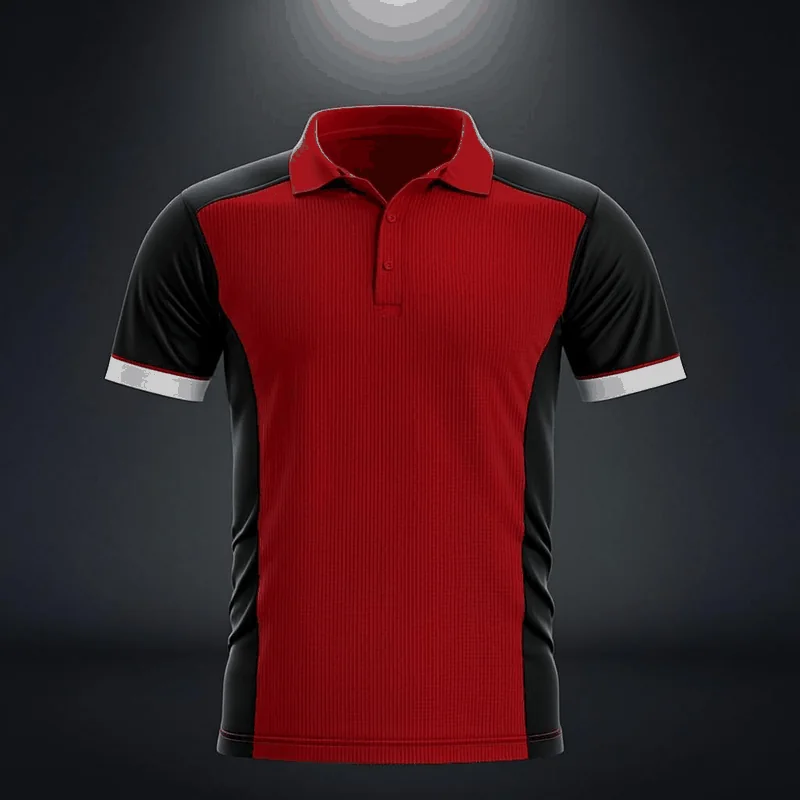
A soccer uniform is the most decorated garment in team sports — stripes, sashes, hoops, sponsor panels, woven badges and a numbering tradition that dates back a century. Known as a football kit in the UK, Europe and Australia, it is also one of the most-ordered custom garments in the world. This guide covers everything that matters when designing and ordering custom soccer jerseys and uniforms in 2026: fabric weights, sublimation versus woven trims, goalkeeper kits, numbering, roster sizing, real pricing and timelines — written by the manufacturing team that produces sublimated soccer uniforms for clubs across the USA, Europe and Australia.
01What a custom soccer uniform includes
A full custom soccer uniform — a "kit" in British English — is a three-piece system: jersey, shorts and socks. Around those three pieces, clubs typically order:
- Match jersey — sublimated with your club design, sponsor panels, crest and numbers.
- Match shorts — matching sublimated graphics, elastic or drawcord waist, built for sprinting and sliding.
- Match socks — custom-knit or sublimated tube socks in club colors; the piece most often forgotten until the night before kickoff.
- Goalkeeper kit — a distinct jersey, and sometimes padded shorts, in colors separate from both outfield teams.
- Training wear — training jerseys, track jackets, rain layers and bench polos that carry the club identity on game day (see team packages).
Terminology note for international clubs: buyers in the UK, Europe and Australia search for custom football kits, while American clubs search custom soccer jerseys — they are the same garment, and this guide covers both.
02Soccer jersey fabrics explained
Almost every quality soccer jersey is polyester; what differs is knit structure, weight and ventilation engineering.
- Polyester interlock, 140–170 GSM — the workhorse. Smooth face, slight mechanical stretch, holds sublimated color beautifully and survives weekly washing.
- Jacquard knits — textures knit into the fabric itself (diminished stripes, honeycomb, pinstripes) that catch light the way premium retail shirts do.
- Mesh ventilation zones — knit-mesh or laser-cut panels under the arms and along the spine that dump heat; the single biggest comfort upgrade a custom kit can offer.
- Recycled polyester (RPET) — performance-identical polyester made from recycled bottles; requested by a growing share of European and Australian clubs for 2026.
Lighter is not automatically better. Sub-140 GSM fabrics feel great out of the bag and die by mid-season; 150–165 GSM interlock is the durability sweet spot for club soccer played and washed every week.
03Sublimated designs vs woven trims
Sublimation prints your design into the fabric itself; woven trims — badges, taping, collars — are stitched on afterward. Modern custom kits blend both:
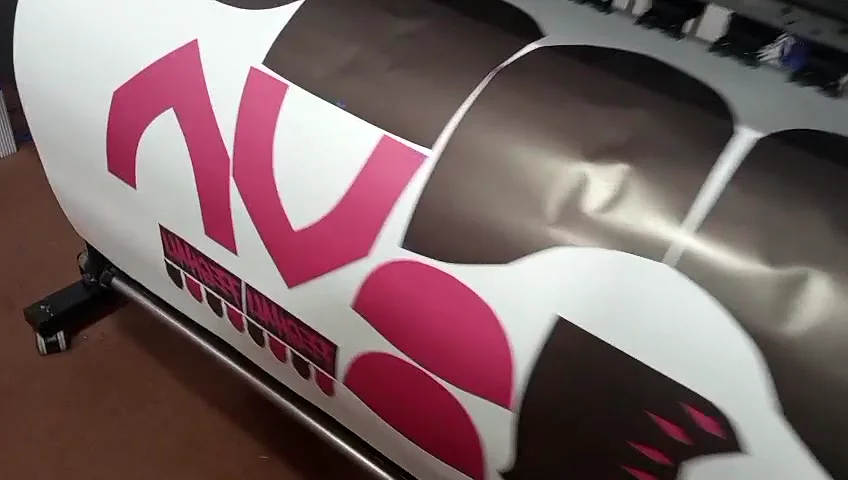
- Full sublimation covers stripes, gradients, sponsor panels, numbers and patterns in one process. Unlimited colors, photographic detail, and a print that can never crack or peel because the dye is inside the polyester.
- Woven club badges stitched onto the left chest look the most authentic — it is how professional clubs finish their shirts.
- Hybrid construction — a sublimated body finished with a knitted collar, cuff taping and a woven crest — is how custom kits get closest to retail look and feel.
One rule decides everything: sublimation only works on polyester. If a supplier offers sublimated designs on cotton-blend shirts, the print will fade within a season. We compare the two main decoration routes in depth in Sublimation vs Screen Printing: Which Is Better for Custom Jerseys?
04Goalkeeper jerseys: the separate science
Goalkeepers wear a different garment, and most competition rules treat them differently:
- Distinct color rule. The goalkeeper's jersey must contrast with both outfield teams, the opposing goalkeeper and the officials. Bright yellow, green, orange and pink dominate because they read instantly at distance.
- Long-sleeve cuts remain the classic silhouette, protecting elbows on turf and hard ground; short and three-quarter sleeve options suit hot climates.
- Optional padding — quilted foam elbow and hip zones in the jersey, or padded goalkeeper shorts for diving keepers.
- Looser fit than outfield shirts, engineered for arm extension rather than sprinting.
Order the goalkeeper kit in the same design language as the outfield kit — same template, alternative or inverted colorway — so the squad still photographs as one club.
05Designing your kit: stripes, sashes and gradients
Soccer design is a century-old visual language. The patterns clubs order most:
- Stripes — vertical solid or pinstripe bands; the heritage look.
- Sashes — a diagonal band from shoulder to hem; one of the most-requested designs of the past several seasons.
- Hoops — horizontal bands that read boldly on camera.
- Gradients and fades — smooth color transitions only sublimation can produce cleanly.
- Halves and splits — two color fields divided vertically or diagonally.
Plan home, away and third kits together. The away kit should be a color-inversion of the home design so the club looks like one club in every fixture; a mismatched third kit is the most common design mistake we see. Sponsor placement follows retail convention — one chest sponsor, one sleeve, optional back positions — kept to consistent sizes across the set. The SPORTIFY soccer uniforms collection shows these patterns across finished club orders.
06Names, numbers and badges
Numbering is where amateur kits most often give themselves away. Two details matter:
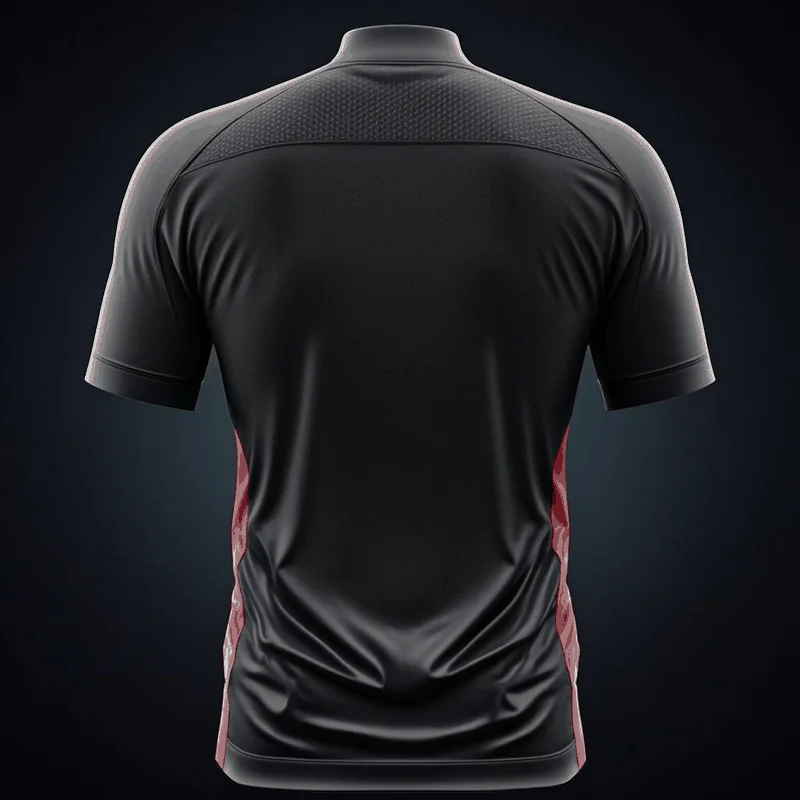
- Font choice. Premier League and UEFA competition numbering has made tall, condensed athletic number fonts the expectation. SPORTIFY's library includes pro-style number fonts in this family; exact replicas of trademarked league fonts cannot be offered, but the athletic look can.
- Application method. Sublimated numbers are light, permanent and included within the print. Flock (raised, felt-look) numbers add texture and a retro feel at extra cost — the choice for clubs chasing a classic European look.
Names above the back number, a small front number per your competition rules, and a captain's armband in club colors complete the set.
Factory Tip — The 5cm Badge Rule
- Professional clubs finish shirts with a woven or embroidered crest at roughly 5cm on the left chest — the size that reads as authentic up close and on camera.
- Sublimated crests are printed into the jersey: lighter, zero extra cost and perfectly color-matched, but flat to the touch.
- The hybrid standard for premium custom kits: sublimated shirt, then a woven badge stitched on afterward — retail look, custom price.
07Sizing a soccer roster
Soccer rosters mix ages and body types more than any other sport — youth academies run five age groups through one order. The process that works:
- Collect chest and waist measurements for every player and map them to the manufacturer's chart, never to retail brands players already own.
- Order women's cuts for women's teams — a women's jersey pattern (narrower shoulders, adjusted shaping) fits better than a scaled-down men's small.
- Check youth charts carefully — youth sizing varies most between manufacturers; one factory's Youth L is another's Youth M.
- Add spares. Two or three spare jerseys in common sizes cover late signings; sublimated numbers cannot be added after sewing.
- Assign numbers before production. Names and numbers are applied garment by garment — the roster you submit at ordering is the roster you receive.
08What custom soccer uniforms cost in 2026
Expect $35–$75 per player for a full custom kit (jersey, shorts, socks), with custom soccer jerseys at $20–$45 depending on fabric and quantity. Realistic 2026 ranges:
| Item | Budget Range | Premium Range |
|---|---|---|
| Custom soccer jersey (sublimated) | $20–$28 | $35–$45 |
| Custom shorts | $12–$16 | $20–$25 |
| Custom socks (per pair) | $4–$6 | $7–$8 |
| Full kit (jersey + shorts + socks) | $35–$50 | $60–$75 |
| Goalkeeper jersey (long sleeve) | $24–$32 | $38–$48 |
Volume is the biggest lever: full-roster orders unlock lower per-piece pricing, while single replacement pieces cost the most (see no-minimum ordering). Fabric upgrades such as jacquard knits or RPET, and flock numbers, move the price modestly. For cross-sport comparisons, read How Much Do Custom Team Uniforms Cost? The 2026 Price Guide.
Get a free mockup for your club
Send your crest, colors and roster sizes — SPORTIFY's design team returns a digital mockup and a quote, free, before anything goes to production.
09Ordering timeline and minimums
Standard production runs 2–3 weeks after mockup approval, plus 5–10 days of international shipping. A comfortable club calendar:
- Design and mockup — 3–5 days including revision rounds; every club should insist on a free mockup before committing.
- Sample option — clubs ordering for the first time can have a single sample produced in the actual design before the full squad run.
- Production — 2–3 weeks for a typical club order; longer runs in peak pre-season, so book early for July–August deliveries.
- Flexible minimums — SPORTIFY runs no-minimum programs, so a 12-player futsal squad and a 200-player academy order move through the same process.
Order 6–8 weeks before your first fixture. If your league starts in late summer, place the order in June — pre-season is when every manufacturer on earth is busiest.